Midland Medical

Jockey & Horse Racing Medical £100

Medicals conduced for apprentice jockey, professional or amateur riders. Our GMC-registered doctors conduct will assess you and completed required medical form to ensure you meet the strict physical and neurological standards set by the British Horseracing Authority (BHA).

What’s included in your Horse Racing Medical?

Vision Test
Full Physical exam
Blood Pressure & Pulse
BHA Form Completion

About our Clinic

Why is a Jockey Medical required?

Horse racing is one of the most physically demanding and high-risk sports in the world. The BHA requires a medical examination to ensure that riders have the strength, vision, and neurological health to control a horse safely at high speeds. It also involves a review of the riders medical history

The medical assessment focuses on:
  • Neurological Health: A detailed review of coordination, reflexes, and concussion history.
  • Vision Standards: Ensuring you meet the specific distance and peripheral vision requirements for racing.
  • Cardiovascular Fitness: Checking heart health and blood pressure to manage the intense physical strain of race day.
  • Musculoskeletal Integrity: Verifying joint mobility and strength to handle the rigours of the saddle.

Dont forget to bring with you

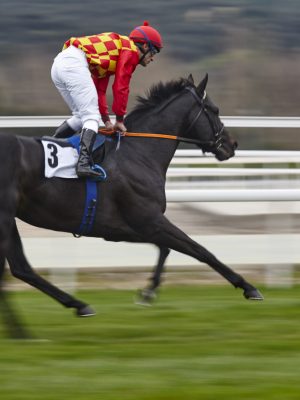
Horse race training. Competition sport. Hippodrome. Speed background

FAQs about Jockey Medicals

Which BHA form do I need?

This depends on your license type (Amateur, Apprentice, or Professional). Please check with the BHA licensing department before your appointment to ensure you have the correct paperwork.
Most standard jockey medicals do not require an ECG unless there is a specific clinical reason or you are over a certain age. However, check your specific licensing requirements as we can provide these additional tests if needed.
The assessment typically takes around 30 minutes. We aim to have your paperwork signed and ready for submission to the BHA by the time you leave.
This is a strict set of criteria set by the British Horseracing Authority. It focuses on your ability to control a high-speed animal and your risk of sudden incapacitation.
Jockeys are at high risk of head injuries. We will review any history of concussion and may check your neurological reflexes to ensure there are no lasting effects that would make riding unsafe.
Yes. You must have a minimum uncorrected vision standard. If you wear contacts, they must be “soft” lenses for safety, and we will verify your vision during the exam.
Yes. Because falling is a common risk, we need to ensure any past fractures (especially spinal or limb) have healed fully and that you have a “full range of motion” in your joints.

Ask us about Horse Racing Medical